

7 Effective Acupuncture Methods for Instant Migraine Relief
Migraines can disrupt daily life, affecting productivity, mood, and overall well-being. Many individuals rely on medication for temporary relief, but long-term use may come with unwanted side effects. This is why more people are turning to acupuncture as a natural and effective alternative. Rooted in Traditional Chinese Medicine (TCM), acupuncture focuses on restoring balance within the body to address the root cause of pain rather than just masking symptoms.
In this article, we explore how acupuncture works and why it is becoming a trusted migraine treatment option.
Understanding Migraine from a Holistic Perspective
Migraine is not just a typical headache. It often comes with symptoms such as nausea, sensitivity to light, and throbbing pain on one side of the head. From a TCM perspective, this condition is commonly linked to imbalances in the body’s energy flow (Qi), particularly involving the liver, spleen, and kidney systems.
Factors such as stress, poor sleep, hormonal imbalance, and diet can trigger these episodes. Instead of focusing only on pain relief, acupuncture aims to correct these internal imbalances.
How Acupuncture Helps Relieve Migraine
Acupuncture involves inserting fine needles into specific points on the body to stimulate natural healing processes. Here’s how it helps:

1.Regulates Blood Flow
Acupuncture plays an important role in improving blood circulation throughout the body, particularly in the head, neck, and shoulder regions where tension often accumulates. When circulation is restricted, it can lead to increased pressure, inflammation, and pain that contribute to migraine episodes. By stimulating specific acupuncture points, the body’s natural blood flow is enhanced, allowing oxygen and nutrients to reach affected areas more efficiently. This helps reduce swelling, ease tight muscles, and relieve the throbbing sensation commonly associated with migraine. Better circulation also supports faster healing and prevents recurring discomfort over time.
2. Releases Natural Painkillers
Acupuncture plays an important role in improving blood circulation throughout the body, particularly in the head, neck, and shoulder regions where tension often accumulates. When circulation is restricted, it can lead to increased pressure, inflammation, and pain that contribute to migraine episodes. By stimulating specific acupuncture points, the body’s natural blood flow is enhanced, allowing oxygen and nutrients to reach affected areas more efficiently. This helps reduce swelling, ease tight muscles, and relieve the throbbing sensation commonly associated with migraine. Better circulation also supports faster healing and prevents recurring discomfort over time.
3. Reduces Stress and Tension
Stress is a common trigger of migraine. Acupuncture helps calm the nervous system, lower cortisol levels, and promote relaxation. It also releases muscle tension in the neck and shoulders, reducing the frequency and severity of migraine episodes.
4. Balances Hormones
Hormonal changes can trigger migraine, especially in women. Acupuncture supports hormonal balance by regulating the body’s internal systems, helping to reduce recurring episodes while improving sleep, mood, and overall well-being.
7 Effective Acupuncture Techniques for Migraine Relief
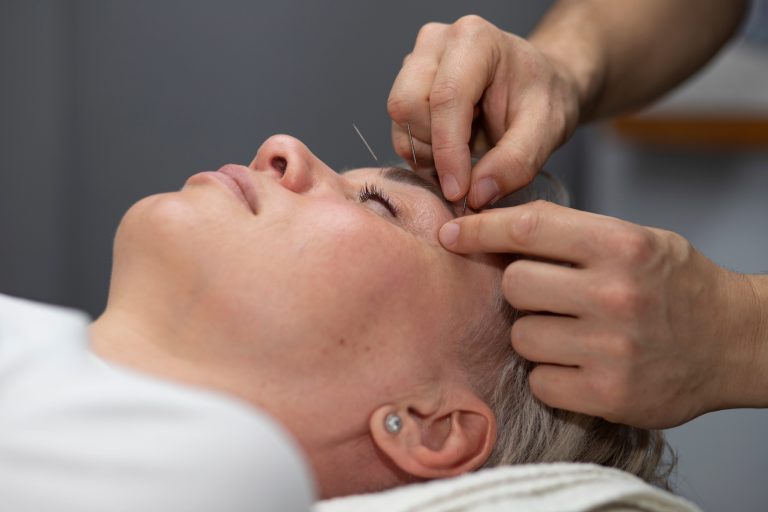
- Local Point Therapy
Needles are placed around the head, temples, and neck to directly relieve tension and pain. - Distal Point Technique
Points on the hands and feet are used to influence energy flow in the head, offering relief without focusing solely on the painful area. - Electro-Acupuncture
A mild electrical current is applied to enhance stimulation and improve results for chronic cases. - Auricular Acupuncture (Ear Therapy)
Specific points on the ear correspond to different organs and systems, helping to reduce headache frequency. - Trigger Point Release
Focuses on tight muscle knots that contribute to tension-related migraine. - Meridian Balancing
Targets specific meridians such as the liver and gallbladder channels to restore internal balance. - Combination Therapy
Often combined with cupping or herbal remedies for enhanced results and faster recovery.
What to Expect During Treatment
A typical acupuncture session lasts between 30 to 60 minutes. Patients often feel relaxed during the treatment, and some may even fall asleep. The number of sessions required depends on the severity and frequency of migraine attacks.
For chronic conditions, regular sessions may be recommended to maintain long-term results. Many patients report noticeable improvement after just a few treatments.
Scientific Support for Acupuncture
Modern research supports acupuncture as a viable treatment for migraine. Studies have shown that it can reduce the frequency and intensity of attacks while improving overall quality of life. According to research published by the National Institutes of Health, acupuncture is effective in preventing chronic headaches and has fewer side effects compared to medication.
Benefits of Choosing Acupuncture
- Drug-free and natural approach
- Targets root cause, not just symptoms
- Minimal side effects
- Improves overall body balance
- Suitable for long-term management
Who Should Consider Acupuncture?

Acupuncture is suitable for individuals who:
- Experience frequent migraine episodes
- Do not respond well to medication
- Prefer natural healing methods
- Want to reduce dependence on painkillers
However, it is always advisable to consult a qualified practitioner before starting treatment.
Conclusion
Acupuncture offers a safe, natural, and effective solution for managing migraine. By addressing the root cause and promoting overall balance, it not only reduces pain but also improves long-term health. With consistent treatment, many individuals experience fewer episodes and a better quality of life.
If you are looking for a holistic approach to migraine relief, acupuncture may be the solution worth considering.